Why Is Mango Coconut Water Becoming More Popular?
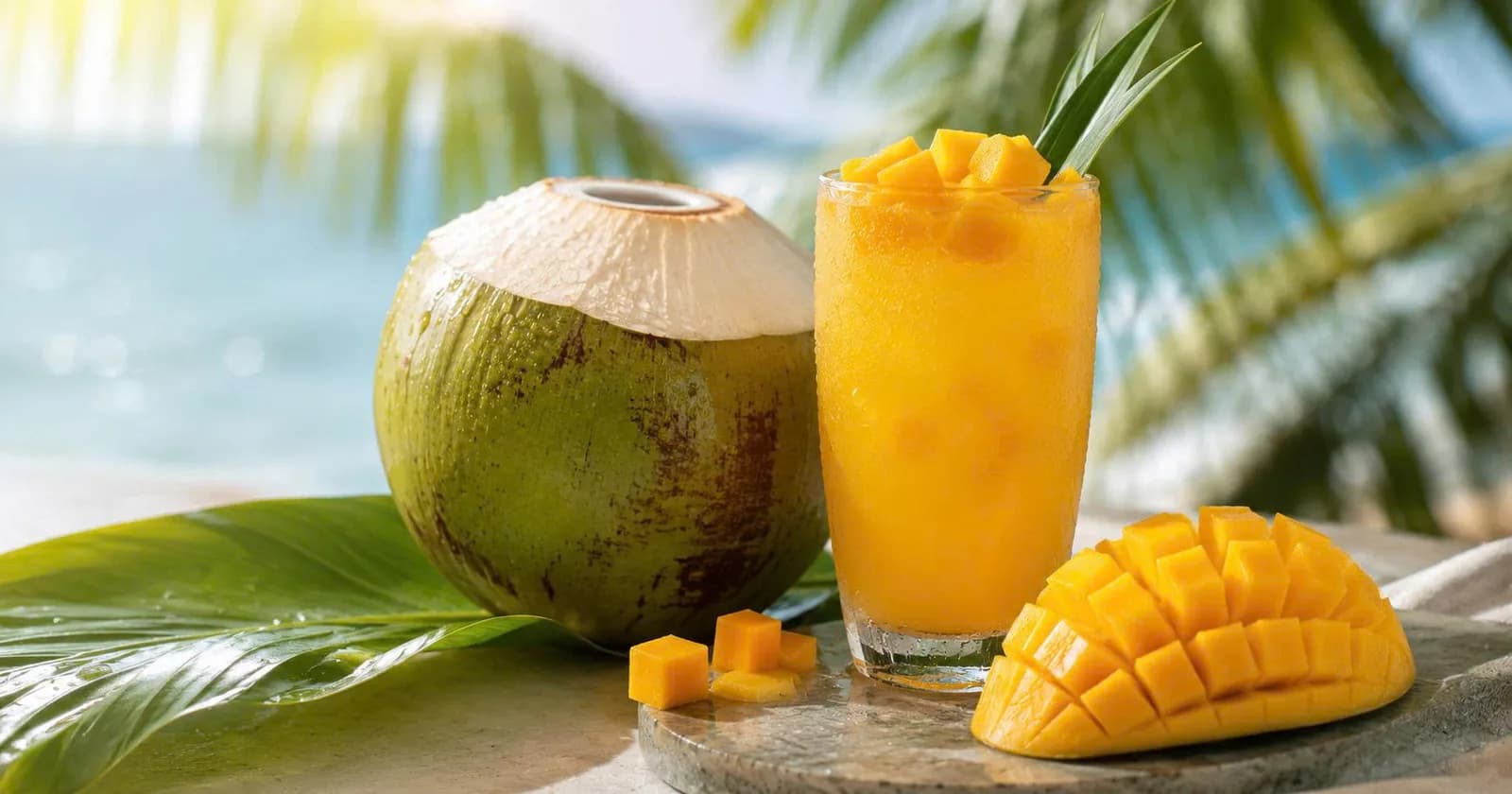
Mango coconut water combines the light, refreshing taste of coconut water with the familiar sweetness of ripe mango. This tropical combination creates a beverage that appeals to consumers looking for flavor variety while maintaining the refreshing qualities associated with coconut water.
As flavored beverages continue to grow in popularity, mango coconut water offers a balance between tropical fruit flavor and everyday refreshment. It is especially suitable for shoppers who enjoy discovering new beverage options without moving too far from familiar fruit flavors.
Why Young Consumers Enjoy Flavor Variety
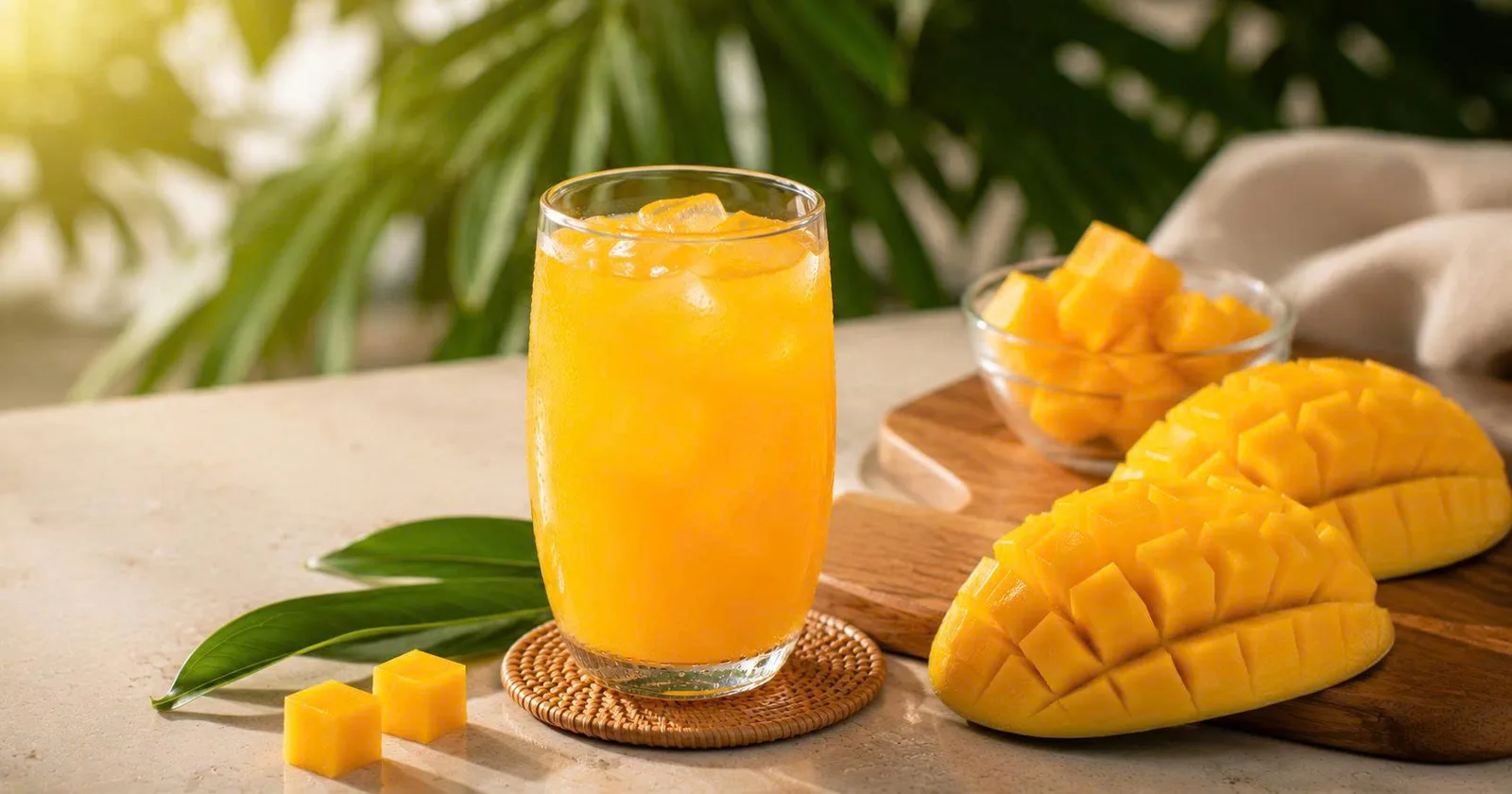
Today's beverage choices are influenced by more than thirst alone. Many consumers, particularly younger adults, enjoy trying drinks that feel refreshing, visually appealing, and suitable for sharing both in person and on social media.
Flavor variety has become an important part of the shopping experience. Tropical beverages are often associated with:
- Summer refreshment
- Outdoor activities
- Campus convenience stores
- Fitness centers
- Beach vacations
- Travel occasions
- Casual social gatherings
These everyday moments make flavored coconut water an attractive option across different retail environments.

Why Mango Works So Well with Coconut Water
Mango complements coconut water because both ingredients naturally evoke tropical refreshment.
The familiar taste of mango can also make coconut water more approachable for consumers who find the original flavor too subtle or unfamiliar.
From a merchandising perspective, mango's bright yellow-orange color creates eye-catching shelf displays and supports seasonal campaigns featuring tropical fruit, sunshine, and chilled beverages. These visual cues can help retailers attract attention in supermarkets, convenience stores, and online marketplaces.
Nutrition Information Consumers Commonly Check
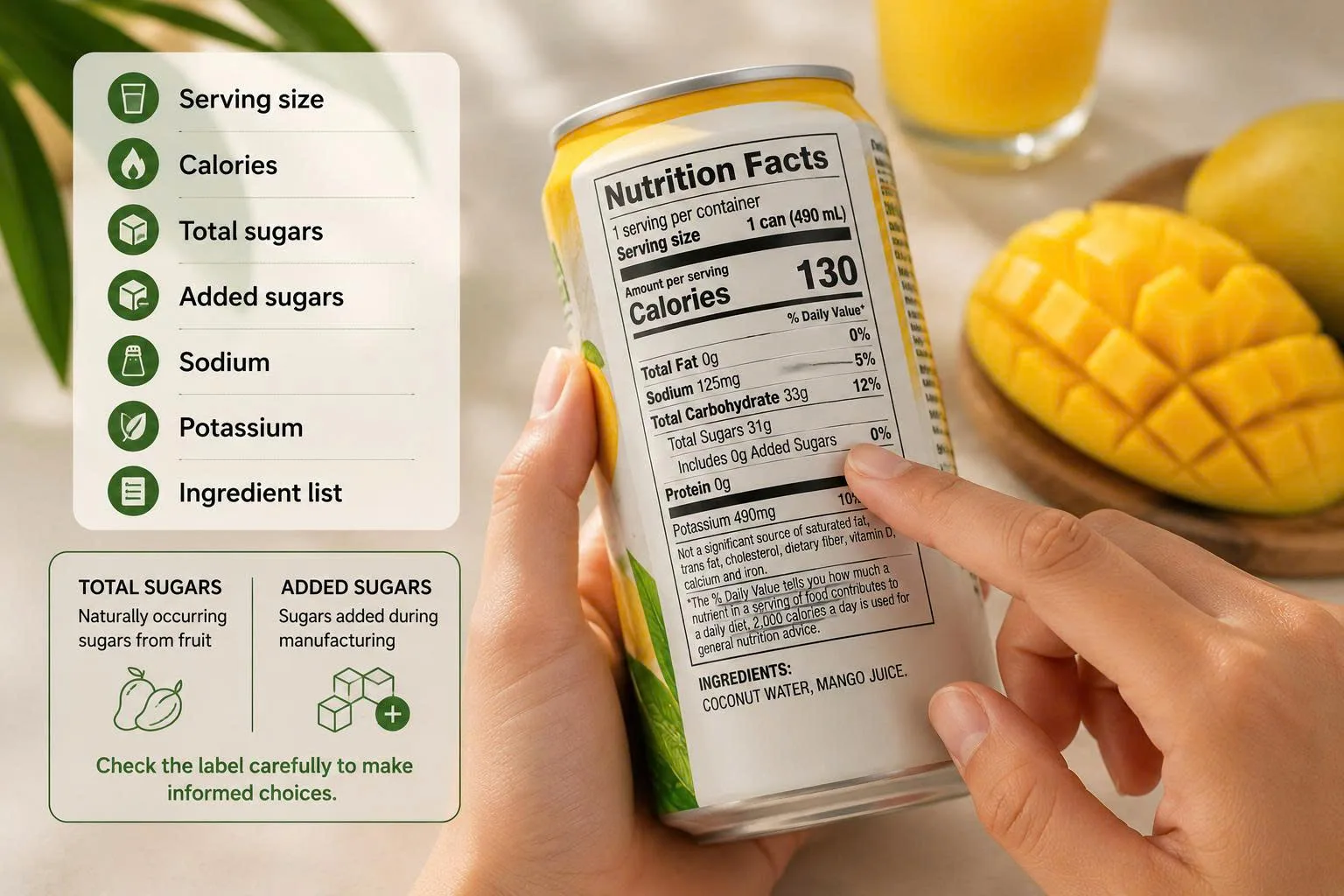
Before purchasing flavored beverages, many shoppers review the nutrition label to better understand what's inside.
Some of the most commonly checked details include:
- Serving size
- Calories
- Total sugars
- Added sugars
- Sodium
- Potassium
- Ingredient list
Understanding the difference between total sugars and added sugars is particularly important. Naturally occurring sugars from fruit are different from sugars added during manufacturing, so consumers should read labels carefully instead of relying solely on front-of-pack marketing messages.
Why 0g Added Sugars Matters
Many consumers automatically assume flavored beverages contain added sugar.
However, some mango coconut water products are labeled with 0 g added sugars, meaning no sugar has been added during production. This does not mean the beverage is sugar-free, as naturally occurring sugars from coconut water and fruit juice may still be present.
Clear labeling helps shoppers make informed purchasing decisions while improving transparency and trust.
Where Mango Coconut Water Fits in Retail
Flavored coconut water performs well across multiple retail channels because it appeals to shoppers looking for convenient, refreshing beverage options.
Popular retail locations include:
- Supermarkets
- Convenience stores
- Fitness centers
- Travel retail
- Online marketplaces
- Cafés and foodservice outlets
Single-serve packaging is particularly suitable for grab-and-go purchases, while tropical flavor variants can add variety to beverage assortments and seasonal promotions.
Mango Coconut Water vs. Original Coconut Water
Both options offer refreshing beverage experiences, but they meet different consumer preferences.
Original coconut water is often chosen by consumers who prefer a clean, classic coconut flavor.
Mango coconut water appeals to shoppers looking for a fruit-forward taste with familiar tropical notes.
Offering both varieties allows retailers to serve a wider range of consumer preferences while expanding the flavored beverage category.