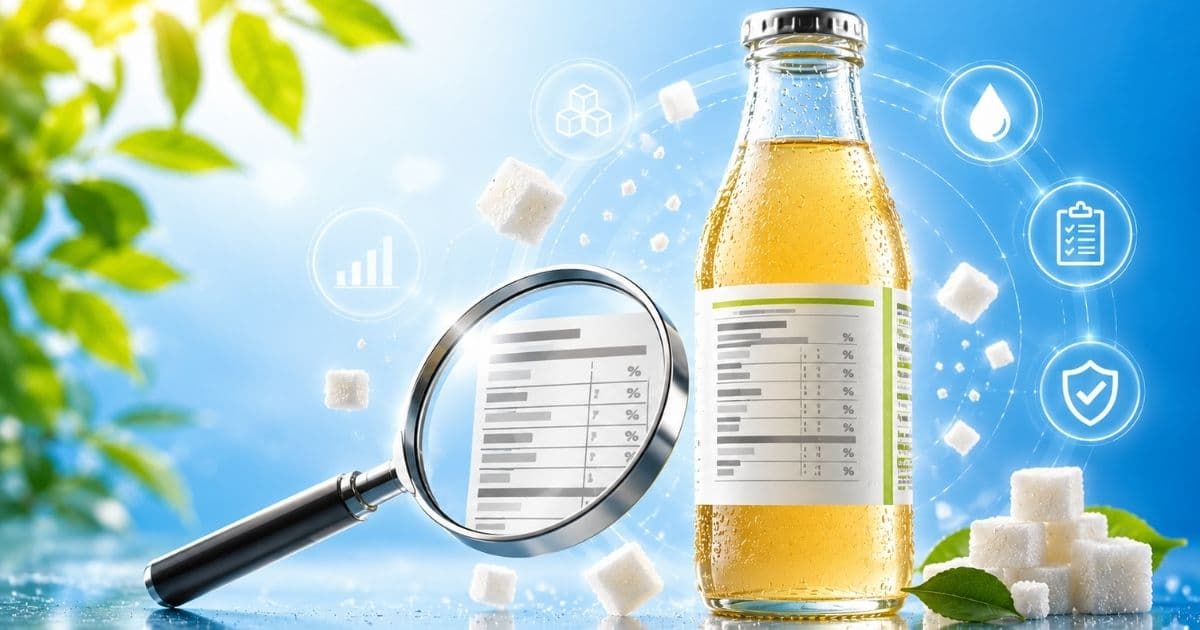
As consumers become more health-conscious, sugar content has become one of the most important factors influencing beverage purchasing decisions. Governments and regulatory agencies worldwide are introducing stricter sugar labeling requirements to improve transparency and encourage healthier consumption habits.
For manufacturers, exporters, and VINUT branded distribution beverage brands, understanding sugar labeling regulations is essential for ensuring compliance and building consumer trust.
Why Sugar Labelling Matters
Today's consumers carefully review product labels before making purchasing decisions. Clear sugar information helps buyers:
- Compare products more easily
- Monitor daily sugar intake
- Choose healthier beverage options
- Understand ingredient composition
- Make informed purchasing decisions
Accurate sugar labeling not only ensures regulatory compliance but also strengthens brand credibility in competitive beverage markets.
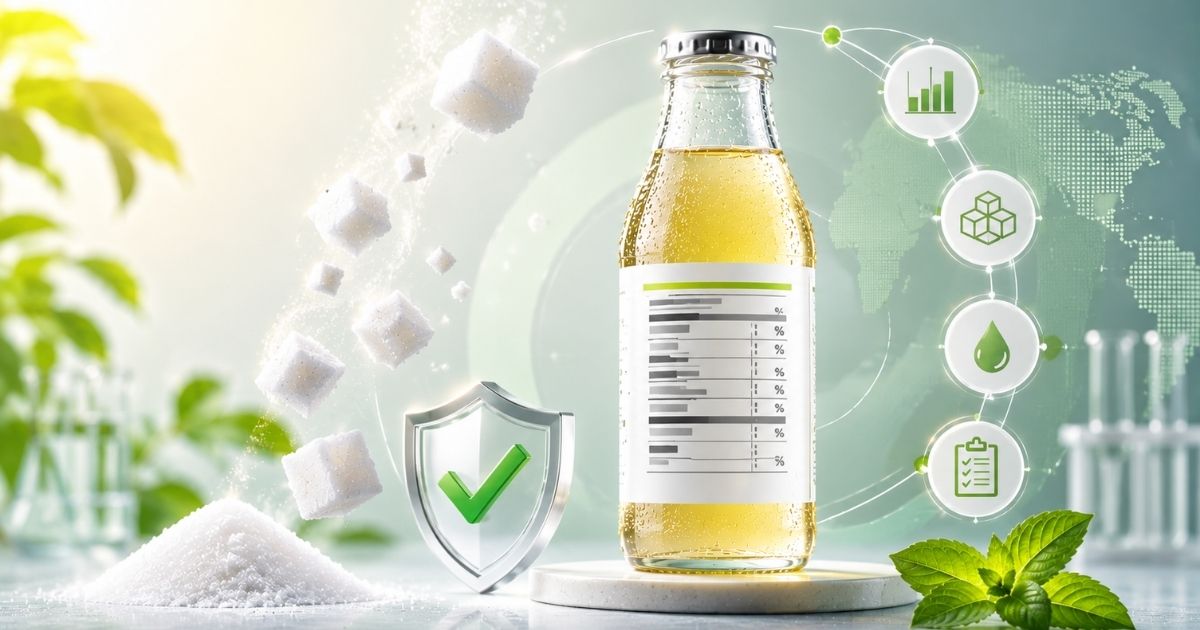
Sugar Labelling Requirements for RTD Beverages
Ready-to-Drink (RTD) beverages, including juices, teas, coffees, energy drinks, and functional beverages, must typically provide nutritional information that includes sugar content.
Most international markets require manufacturers to declare:
- Total carbohydrates
- Total sugars
- Added sugars (where applicable)
- Serving size
- Energy value (calories)
The exact requirements vary by country and region.
Sugar Labelling in the European Union
The European Union requires beverage manufacturers to provide nutrition information per 100 ml.
The nutrition declaration typically includes:
- Energy (kJ/kcal)
- Fat
- Saturated fat
- Carbohydrates
- Sugars
- Protein
- Salt
Manufacturers must ensure that all nutrition values accurately reflect the product formulation.
Sugar-Related Claims in the EU
Certain marketing claims are only permitted when products meet specific criteria:
Sugar-Free
Products may only use the claim "Sugar-Free" when they contain no more than 0.5 g of sugars per 100 ml.
Low Sugar
Products must meet defined thresholds before using low-sugar claims.
No Added Sugar
This claim may be used when no sugars or ingredients used for sweetening purposes have been added during production.
Manufacturers should carefully verify compliance before placing these claims on packaging.
Sugar Labelling in Other Major Markets
United States
The U.S. Food and Drug Administration (FDA) requires beverage labels to display:
- Total Sugars
- Added Sugars
- Percent Daily Value (%DV)
This helps consumers understand how much sugar contributes to their recommended daily intake.
Canada
Canada requires clear nutrition facts panels and detailed sugar disclosure to support consumer awareness.
Australia and New Zealand
Manufacturers must declare total sugars in nutrition information panels and comply with food standards established by regulatory authorities.
Growing Demand for Low-Sugar RTD Beverages
Consumer preferences continue to shift toward healthier beverage options.
Popular trends include:
- Reduced-sugar beverages
- Naturally sweetened drinks
- Functional beverages
- Plant-based beverages
- Clean-label products
As a result, many RTD beverage brands are reformulating products to reduce sugar while maintaining taste and consumer appeal.
Best Practices for Beverage Manufacturers
To ensure compliance and market success, manufacturers should:
- Conduct accurate nutritional testing
- Review destination-country regulations
- Verify all nutrition claims
- Maintain updated product specifications
- Work with experienced regulatory and packaging partners
Proper sugar labeling can help brands avoid regulatory issues while improving consumer confidence.
How VINUT Supports Beverage Brands
VINUT provides OEM, ODM, and VINUT branded distribution beverage manufacturing solutions for global markets.
Our capabilities include:
- RTD Tea
- Fruit Juice Drinks
- Coconut Water
- Energy Drinks
- Functional Beverages
- Low-Sugar Formulations
VINUT works closely with importers, distributors, and brand owners to develop products that meet international labeling requirements and consumer expectations.
Conclusion
Sugar labeling has become a critical aspect of beverage compliance worldwide. As regulations continue to evolve and consumers demand greater transparency, beverage manufacturers must ensure accurate labeling and responsible nutrition claims.
By understanding sugar labeling requirements and partnering with experienced manufacturers like VINUT, brands can successfully expand into global markets while maintaining compliance and consumer trust.