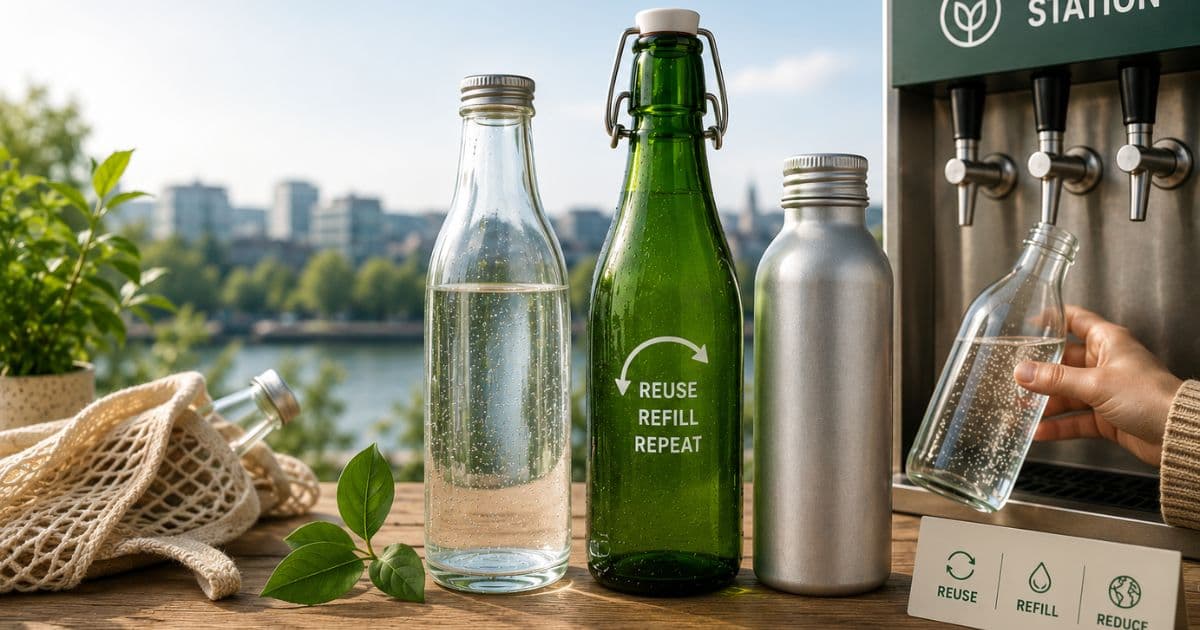
I/ Why Reusable and Refill Packaging Is Rising in Europe
1.Regulatory Pressure Is Increasing
The European Union is pushing forward ambitious packaging regulations under the Packaging and Packaging Waste Regulation (PPWR). These policies aim to reduce single-use packaging and encourage reuse systems, especially in sectors like beverages where packaging waste is high.
Key regulatory drivers include:
- Mandatory reuse targets for certain beverage categories
- Restrictions on single-use plastics
- Extended Producer Responsibility (EPR) schemes
2. Consumer Demand for Sustainability
European consumers are increasingly choosing brands that demonstrate environmental responsibility. Reusable packaging aligns with:
- Reduced plastic waste
- Lower carbon footprints
- Circular economy principles
3. Retailer and Horeca Adoption
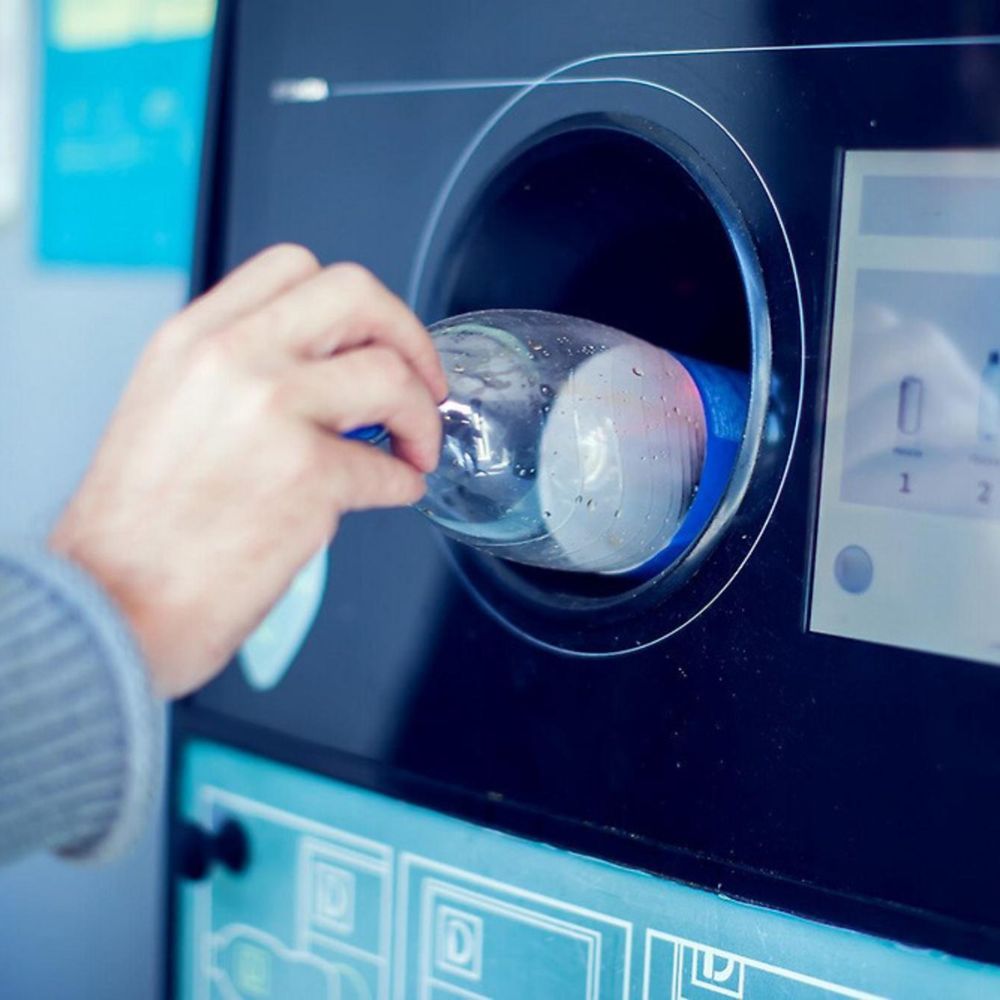
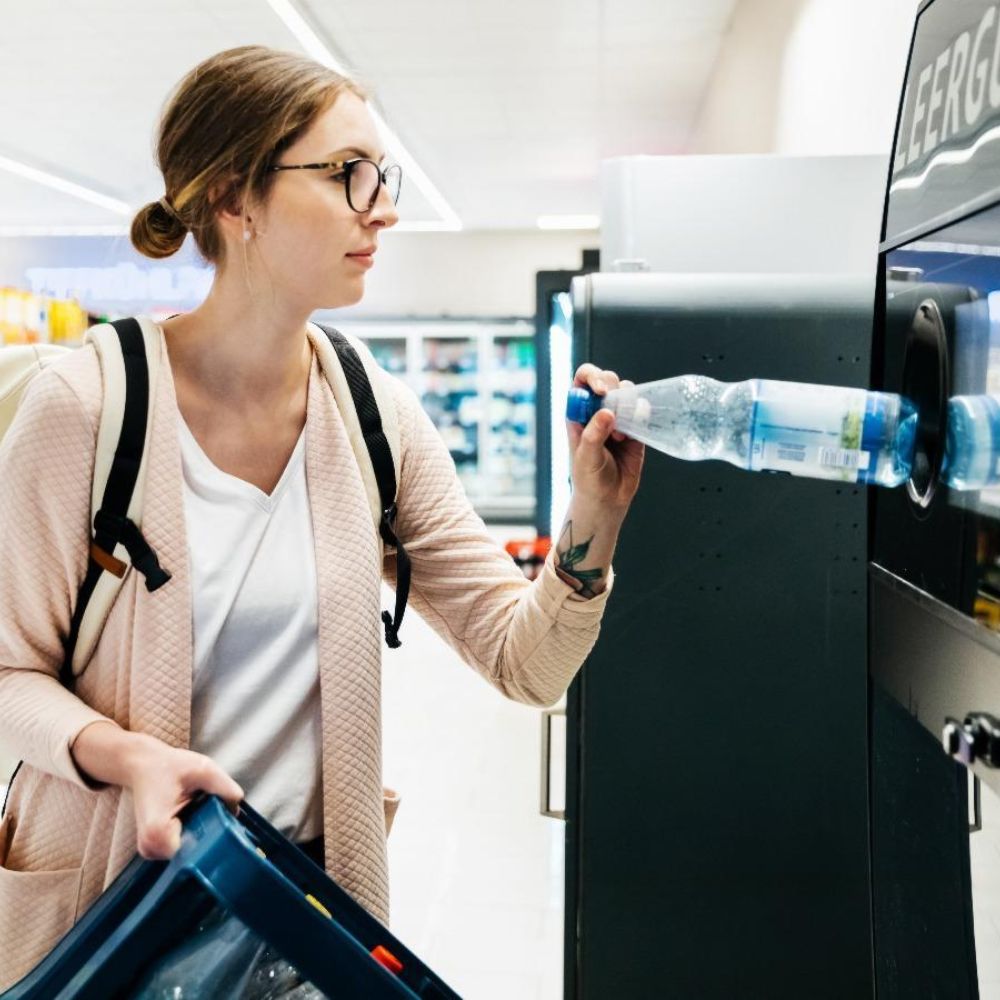
Large retailers and hospitality channels (HoReCa) are experimenting with refill stations, returnable bottles, and deposit systems. This creates infrastructure that beverage brands can leverage.
II/ What Counts as Reusable and Refill Packaging?
1.Reusable Packaging
Packaging designed to be returned, cleaned, and reused multiple times. Examples include:
- Glass bottles with deposit-return systems
- Durable PET bottles
2. Refill Packaging
Systems where consumers refill the same container, either at home or at refill stations. Examples include:
- Beverage concentrate systems
- In-store refill dispensers
III/ Benefits for Beverage Brands
1.Cost Efficiency Over Time
Although initial setup costs are higher, reusable systems reduce long-term packaging costs by minimizing material use.
2. Stronger Brand Positioning
Sustainability is a key differentiator in Europe. Brands using refill systems can position themselves as environmentally responsible leaders.
3. Regulatory Readiness
Early adoption helps brands stay ahead of upcoming compliance requirements and avoid penalties.
IV/ Practical Strategies for 2026
1.Start with Pilot Markets
Focus on countries with strong reuse infrastructure like Germany, the Netherlands, or Scandinavia.
2. Partner with Retailers
Collaborate with supermarkets and HoReCa channels to integrate refill solutions.
3. Use Hybrid Models
Combine recyclable single-use packaging with reusable options to balance risk and adoption.
4. Communicate Clearly
Educate consumers about how reuse systems work and highlight environmental benefits.
VI/ Conclusion
Reusable and refill packaging is rapidly becoming a core component of the European beverage market in 2026. Brands that act early can benefit from regulatory alignment, cost efficiencies, and stronger consumer trust, making it a smart strategic move rather than an optional experiment.