Coconut Water MOQ, Shelf Life, and Packaging Guide for Importers
I. Introduction
As global demand for natural and functional beverages continues to grow, coconut water has become one of the most attractive categories for importers and distributors. Consumers increasingly seek refreshing drinks made from natural ingredients, creating strong opportunities for businesses looking to expand their beverage portfolios.
However, sourcing coconut water successfully involves much more than comparing product photos and unit prices. Importers must evaluate several key factors before placing an order, including Minimum Order Quantity (MOQ), shelf life, packaging format, documentation requirements, and shipment planning.
Understanding these elements helps buyers reduce risk, improve inventory management, and make more informed purchasing decisions. This guide explains the essential considerations every importer should review before sourcing coconut water for retail, wholesale, foodservice, or distribution channels.
1. MOQ Impacts Business Planning
MOQ influences the size of the first order, required investment, inventory commitment, and market testing strategy.
2. Shelf Life Affects Inventory Performance
Shelf life directly impacts storage planning, transportation timelines, warehouse management, and retail acceptance.
3. Packaging Influences Logistics and Consumer Appeal
Packaging affects freight efficiency, shelf presentation, consumer convenience, and overall logistics costs.
A product with an attractive price may still create challenges if the shelf life is not suitable for the target market or if the packaging format does not fit the intended distribution channel. Reviewing these factors together helps importers make better purchasing decisions and avoid costly mistakes.
IV. Factors That Can Affect Coconut Water MOQ
Several variables can influence the MOQ offered by a supplier.
1. Product Type
Different coconut water products may require different production arrangements, including:
- Original Coconut Water
- Organic Coconut Water
- Coconut Water with Pulp
- Flavored Coconut Water
Each category may involve unique ingredients, certifications, or production schedules.
2. Packaging Format
Packaging selection often affects production planning and material requirements.
Common packaging formats include:
- Aluminum cans
- PET bottles
- Cartons
- Glass bottles
- Bulk packaging
3. Label Requirements
Custom labels can influence MOQ because they require dedicated packaging materials and printing processes.
Examples include:
- Standard labels
- Bilingual labels
- Private-label designs
- Market-specific compliance labels
4. Production Planning
Raw material availability, packaging inventory, production scheduling, and line setup can all impact MOQ requirements.
5. Buyer Stage
The appropriate order quantity may differ depending on whether the buyer is conducting a market test, launching a new distribution partnership, or expanding into a full-scale market rollout.
V. How to Estimate the Right First Order Quantity
Choosing the right first order quantity requires careful planning.
1. Forecast Expected Demand
Estimate monthly sales volume based on your target channel and distribution strategy.
2. Calculate Supply Chain Timing
Consider:
- Production lead time
- Ocean or air freight transit time
- Customs clearance duration
- Safety stock requirements
3. Validate Market Demand Before Scaling
Rather than maximizing the first shipment, many successful importers use an initial order to validate demand, gather consumer feedback, and assess retail performance before increasing order volume.
VI. Coconut Water Shelf Life: What Importers Should Verify
Shelf life refers to the period during which a product remains suitable for consumption when stored under specified conditions.
1. Understand the Factors Affecting Shelf Life
Shelf life may be influenced by:
- Product formulation
- Processing technology
- Packaging format
- Storage environment
- Transportation conditions
2. Request Product Documentation
Importers should request:
- Product specification sheets
- Best-before coding explanations
- Storage guidelines
- Product certificates
3. Verify Product-Specific Information
Category-level assumptions should never replace supplier-confirmed product data. Shelf-life information must always be verified directly through official product documentation.
1. Retail Requirements
Many retailers require products to arrive with a minimum percentage of shelf life remaining.
2. Transit Time Considerations
Long shipping routes can significantly reduce the available selling window.
3. Inventory Risk Management
Slow-moving SKUs require additional planning to reduce the risk of expired inventory.
4. Seasonal Sales Planning
Promotional campaigns and seasonal demand should align with inventory age and replenishment schedules.
Proper shelf-life management helps protect profit margins, reduce waste, and maintain consumer confidence.
VIII. Packaging Options for Coconut Water
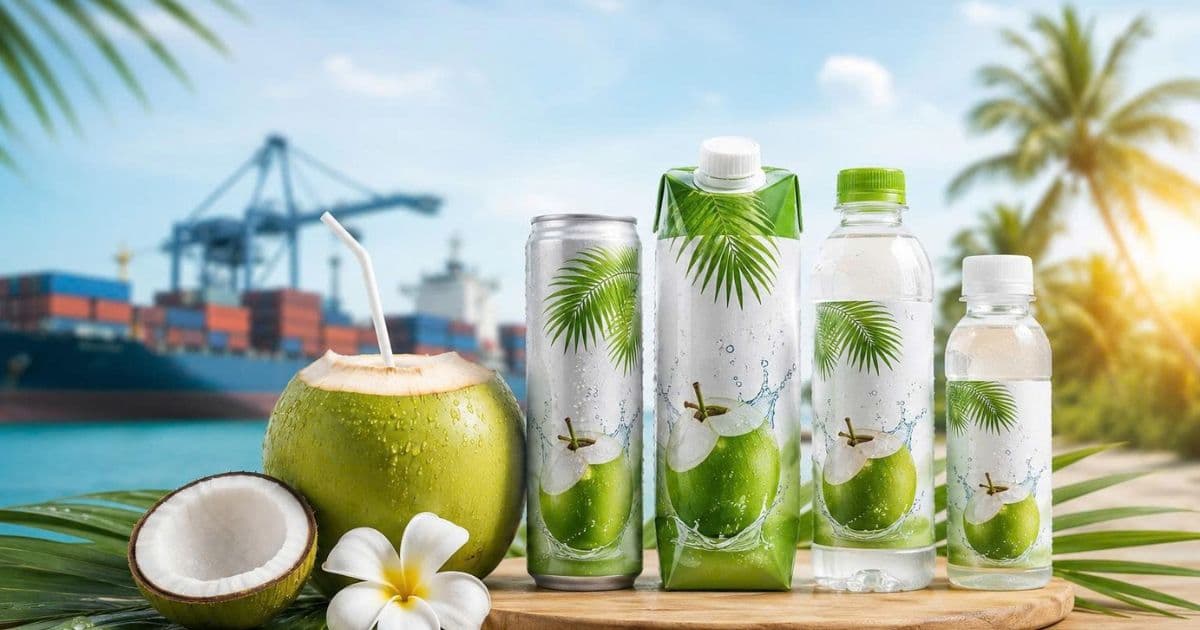
Coconut water is available in several packaging formats, each serving different market needs.
1. Aluminum Cans
Ideal for single-serve consumption and convenient retail distribution.
2. Cartons
Suitable for pantry storage and family consumption occasions.
3. PET Bottles
Popular in convenience stores and on-the-go consumption channels.
4. Glass Bottles
Commonly positioned within premium beverage categories.
5. Bulk Packaging
Suitable for foodservice, hospitality, and industrial applications.
For the VINUT Coconut Water Series, the current product format is a 490 mL / 16.57 fl oz aluminum can. However, packaging selection should always be based on market requirements rather than assuming one format is universally superior.
IX. Packaging Details Importers Should Request
Before placing an order, importers should obtain detailed packaging specifications.
1. Product and Packaging Dimensions
Request information regarding:
- Can size
- Net volume
- Gross weight
- Carton dimensions
2. Logistics Information
Confirm:
- Units per carton
- Pallet loading configuration
- Container optimization details
3. Retail Readiness Information
Verify:
- Barcode specifications
- Label language requirements
- Market-specific packaging regulations
These specifications help buyers calculate landed costs, warehouse capacity, freight efficiency, and retail handling requirements.
X. Documents Importers Should Request Before Confirming Orders
A complete document package can reduce compliance and operational risks.
1. Product Documentation
Request:
- Product specification sheet
- Ingredient declaration
- Nutrition facts panel
- Label artwork
2. Quality Assurance Documents
Request:
- Certificate of Analysis (COA)
- Quality certificates
- Product testing reports
3. Market Compliance Documents
For organic products, verify the validity of the organic certificate and certifying organization.
For flavored or pulp-based products, review destination-market regulations and ingredient compliance requirements.
XI. Sample Testing Before MOQ Commitment
Samples provide valuable insights before placing a commercial order.
1. Product Evaluation
Review:
- Taste
- Aroma
- Appearance
- Color consistency
2. Packaging Evaluation
Check:
- Can condition
- Label readability
- Barcode functionality
- Shipping durability
3. Consumer Fit Assessment
Use sample testing to determine the most suitable SKU mix for the target market and reduce launch risks.
XII. Matching VINUT Coconut Water SKUs to Importer Needs
After completing the sourcing checklist, importers can evaluate different SKU options based on market objectives.
1. Organic Coconut Water
Best suited for premium and organic retail channels.
2. Original Coconut Water
A core product for mainstream coconut water demand.
3. Coconut Water with Pulp
Suitable for consumers seeking a more distinctive texture experience.
4. Mango Coconut Water
A flavor-forward option designed to expand category appeal.
Rather than viewing one SKU as a universal solution, buyers should select products based on local consumer preferences and channel requirements.
XIII. Common Mistakes Importers Should Avoid
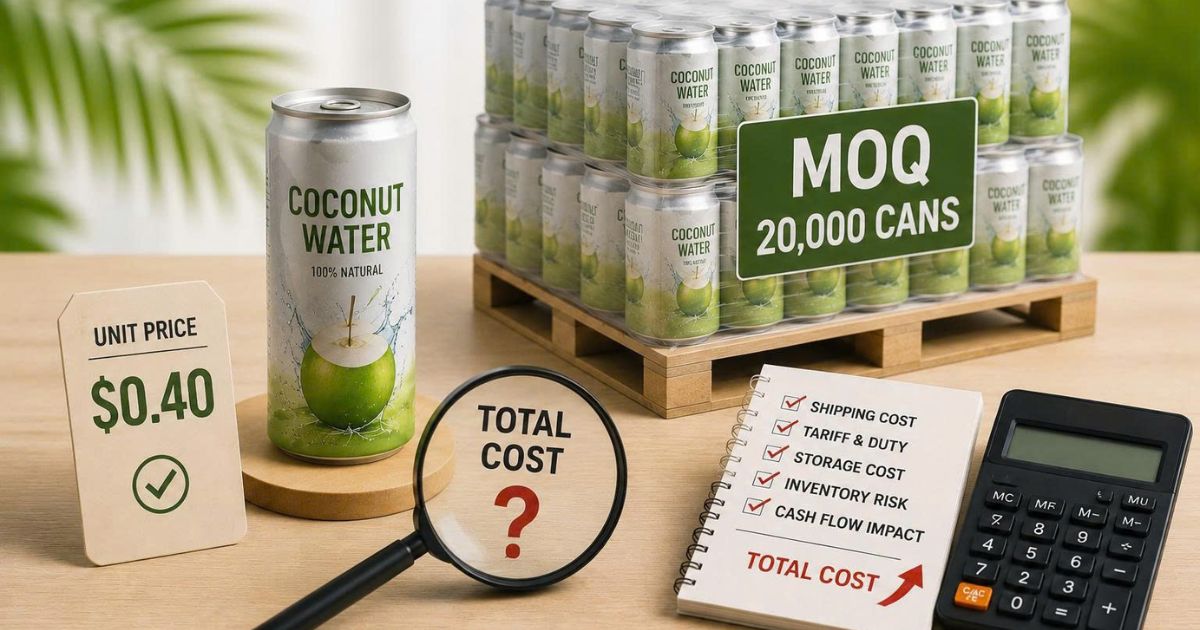
1. Choosing MOQ Based Only on Unit Price
A lower unit price does not always result in lower total import costs.
2. Ignoring Remaining Shelf Life
Insufficient remaining shelf life can create inventory and retail challenges.
3. Overlooking Carton and Pallet Data
Incomplete packaging information may increase logistics costs.
4. Using Claims Without Verification
Always verify certifications, labels, and supporting documents before making product claims.
5. Launching Too Many SKUs at Once
Testing market demand before expansion helps reduce risk.
6. Skipping Sample Approval
Product samples provide critical insights before committing to a commercial order.
XIV. Conclusion
MOQ, shelf life, and packaging are interconnected factors that play a critical role in successful coconut water sourcing. Importers who evaluate these elements together are better positioned to manage inventory, reduce risk, and support long-term market growth.
Before confirming any order, buyers should verify all commercial and technical details through the latest product specifications, certificates, quotations, and supporting documentation.
If you are evaluating coconut water sourcing opportunities, request updated product specifications and quotation details to ensure your purchasing decisions align with your market requirements and business goals.