
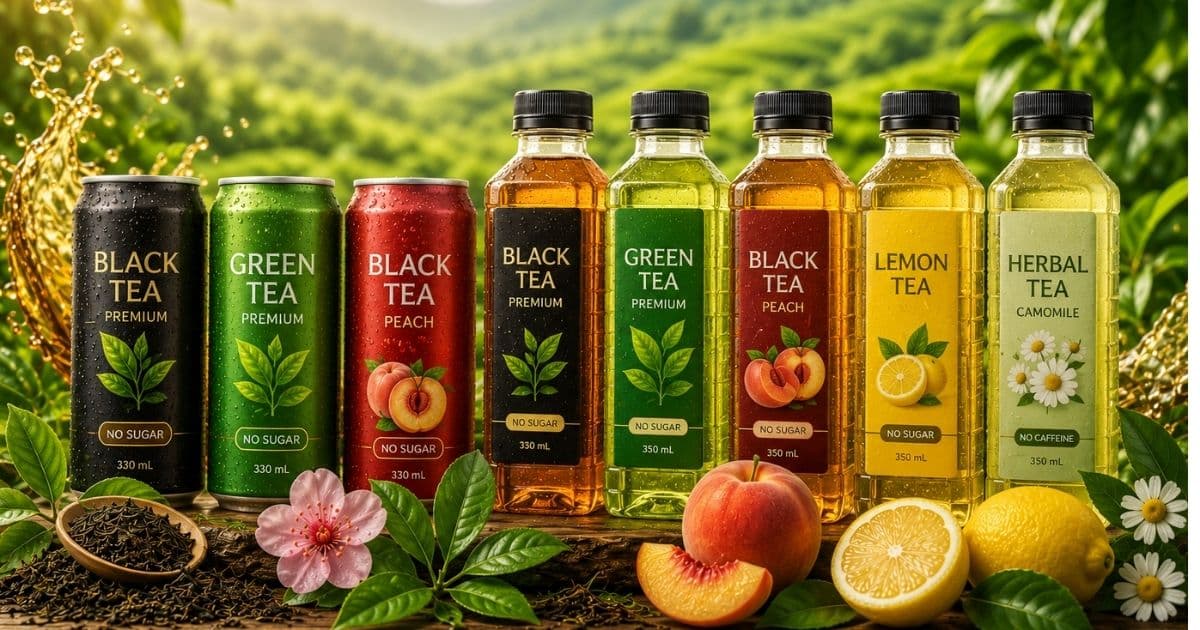
The ready-to-drink (RTD) tea market continues to expand as consumers seek beverages that combine convenience, refreshing taste, and wellness-oriented attributes. For importers, distributors, retailers, and HoReCa buyers, success in this category depends on more than launching a single popular SKU. Building a balanced RTD tea product line requires understanding how different tea types meet different consumer needs and retail opportunities.
Rather than offering a random collection of products, successful beverage brands develop portfolios that provide variety, address multiple consumption occasions, and fit different sales channels. A thoughtful RTD tea product line can help buyers increase shelf coverage, attract new consumers, and support long-term category growth.
This article explores how beverage buyers can build a strategic RTD tea portfolio by combining green tea, black tea, and herbal tea products into a well-rounded product range.
Why RTD Tea Portfolio Planning Matters
Many beverage buyers initially focus on finding a hero product capable of generating strong sales. While flagship products are important, relying on a single SKU limits growth opportunities. Modern consumers expect variety, and retailers increasingly look for beverage portfolios that serve multiple preferences and occasions.
When evaluating a new RTD tea product line, buyers typically consider:
- Shelf presence and category coverage
- Consumer taste diversity
- Repeat purchase potential
- Margin opportunities
- Packaging suitability
- Channel compatibility
- Market trends and innovation
The global RTD tea category includes numerous segments such as green tea, black tea, herbal tea, fruit tea, oolong tea, matcha beverages, and kombucha. However, green tea, black tea, and herbal tea remain the most practical foundation for building a balanced portfolio.
Green Tea as the Refreshing Wellness Entry Point
Green tea has become one of the most recognized beverage categories among health-conscious consumers. Its light taste profile and refreshing character make it an attractive option for daytime consumption.
Many consumers associate green tea with:
- Natural ingredients
- Antioxidant-rich beverages
- Light caffeine content
- Clean-label positioning
- Everyday refreshment
For beverage buyers, green tea often serves as the wellness-oriented entry point within an RTD tea portfolio. It appeals to consumers seeking alternatives to sugary soft drinks while maintaining a familiar and approachable flavor profile.
Green tea products perform particularly well in:
- Supermarkets
- Convenience stores
- Office vending channels
- E-commerce beverage bundles
- Health-focused retail environments
Popular flavor extensions include lemon green tea, honey green tea, jasmine green tea, and citrus-infused green tea products.
Because green tea is frequently positioned around freshness and balance, it often attracts younger consumers and wellness-focused shoppers who value lighter beverage options.
Black Tea as the Familiar Mainstream Foundation
While green tea attracts wellness-oriented consumers, black tea remains one of the most familiar tea bases worldwide. Its stronger flavor profile and broad consumer acceptance make it a reliable foundation for many RTD tea portfolios.
Black tea offers several advantages:
- Familiar taste profile
- Strong compatibility with fruit flavors
- Wide demographic appeal
- Flexible pricing opportunities
- Strong performance in mass retail
One reason black tea continues to dominate many RTD tea markets is its versatility. The robust tea base pairs effectively with popular fruit flavors such as:
- Peach
- Lemon
- Mango
- Berry
- Citrus blends
As a result, black tea products often generate strong trial purchases while remaining approachable for mainstream consumers.
Black tea works especially well in:
- Supermarkets
- Convenience stores
- Food service channels
- Restaurants and cafés
- HoReCa environments
For importers and distributors entering new markets, black tea frequently serves as the anchor product around which additional tea varieties can be developed.
Herbal Tea as the Functional and Caffeine-Free Extension
As consumer preferences evolve, demand for functional beverages continues to increase. This trend has created significant opportunities for herbal RTD tea products.
Unlike green tea and black tea, herbal tea is not produced from the Camellia sinensis tea plant. Instead, herbal beverages are created using flowers, herbs, fruits, roots, and botanical ingredients.
Consumers often choose herbal tea products for occasions related to:
- Relaxation
- Wellness lifestyles
- Botanical flavors
- Evening consumption
- Caffeine-free alternatives
Popular herbal RTD tea varieties include:
- Chamomile tea
- Hibiscus tea
- Mint tea
- Ginger tea
- Lemongrass tea
- Mixed botanical blends
For beverage buyers, herbal tea serves as an important portfolio extension rather than a replacement for traditional tea products.
These products are especially suitable for:
- Premium retail environments
- Specialty beverage stores
- Wellness-focused retailers
- Online beverage marketplaces
- Functional beverage categories
Because herbal tea products often target specific consumer occasions, they can help brands differentiate themselves in increasingly competitive RTD beverage markets.
How to Build a Balanced RTD Tea Product Line
Developing a successful RTD tea portfolio requires balancing familiarity with innovation.
A practical starting model includes three core SKUs:
- Original Green Tea
- Premium Black Tea
- Fruit-Flavored Black Tea
These products provide broad market coverage while minimizing complexity during initial launch stages.
After establishing core products, buyers can expand strategically through:
Packaging Diversification
Different retail environments favor different packaging formats.
- Resealable
- Convenient for on-the-go consumption
- Popular in supermarkets and convenience stores
Aluminum Cans
- Strong shelf visibility
- Suitable for chilled retail
- Effective for impulse purchases
Functional Extensions
Once market demand has been validated, brands may add:
- Herbal tea products
- Low-sugar options
- Botanical blends
- Functional ingredient combinations
This staged approach helps buyers reduce risk while gradually expanding their product range.
Flavor Architecture: From Core Products to Innovation
Successful beverage portfolios often follow a flavor architecture strategy.
Core Flavors
These products establish the brand's foundation:
- Original Green Tea
- Premium Black Tea
Familiar Fruit Extensions
These flavors attract broad consumer interest:
- Peach
- Lemon
- Orange
- Mixed Berry
Emerging Flavor Innovations
As consumer preferences evolve, buyers may explore:
- Jasmine
- Hibiscus
- Yuzu
- Lychee
- Passion Fruit
- Mango
- Mint
- Botanical Blends
This progression allows brands to maintain mainstream appeal while introducing differentiated products that generate excitement and trial purchases.
Supermarkets
Supermarkets typically support broader assortments and multipack formats. Green tea, black tea, fruit tea, and herbal tea products can coexist successfully within a comprehensive category strategy.
Convenience Stores
Convenience stores favor single-serve beverages and impulse purchases. Fruit-flavored black tea and refreshing green tea varieties often perform particularly well.
HoReCa
Hotels, restaurants, and cafés often prioritize beverages that complement food offerings. Black tea products frequently fit well within meal combinations and hospitality environments.
E-Commerce
Online beverage sales allow consumers to explore variety packs and discovery bundles. This channel is especially suitable for introducing herbal tea and innovative flavor combinations.
Buyer Checklist Before Launching an RTD Tea Range
Before adding a new RTD tea product line, buyers should evaluate several critical factors:
Product Evaluation
- Taste profile
- Ingredient quality
- Sugar content
- Caffeine level
- Nutritional information
Packaging Evaluation
- Package size
- Shelf-life stability
- Carton specifications
- Transportation efficiency
Commercial Evaluation
- Margin potential
- Category growth contribution
- Consumer demand
- Competitive positioning
- Channel fit
Regulatory Evaluation
- Label compliance
- Import documentation
- Product certifications
- Market-specific requirements
A comprehensive review process helps minimize launch risks and improve long-term performance.
How VINUT Tea Fits This Portfolio Approach
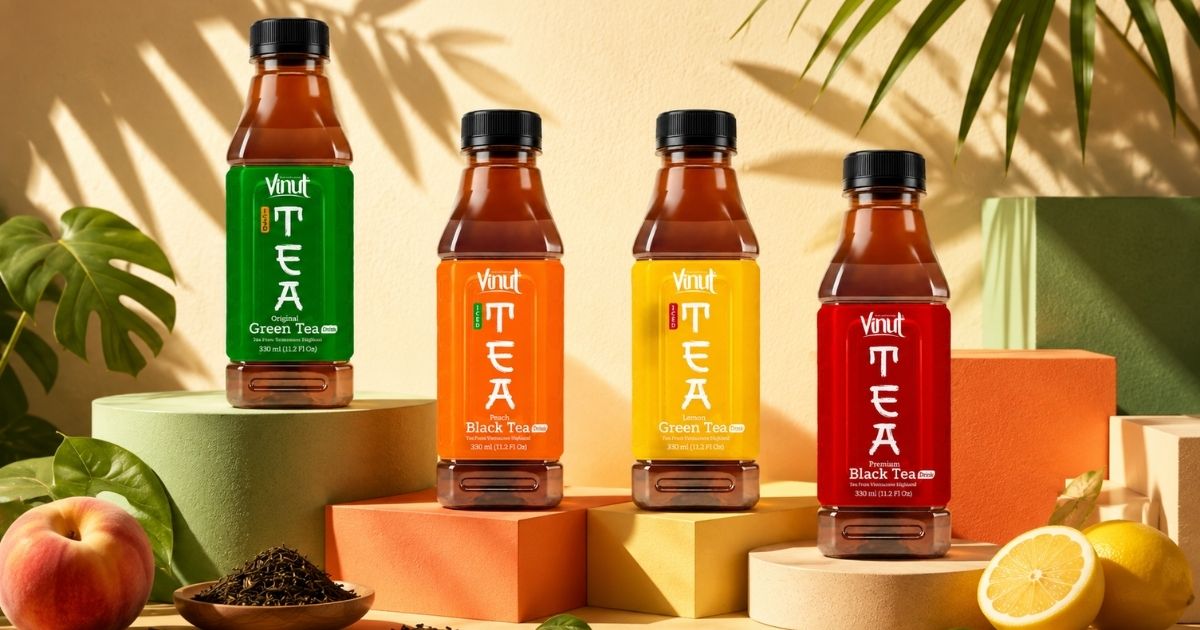
A balanced RTD tea strategy often includes multiple tea bases, flavor profiles, and packaging formats. VINUT Tea serves as an example of how beverage suppliers can develop a diversified portfolio that includes green tea, black tea, fruit tea, PET bottle formats, and canned tea options.
For buyers seeking to build a complete tea category, working with suppliers capable of offering multiple product styles can simplify portfolio development and improve market flexibility.
Conclusion: Build an RTD Tea Range Around Consumer Occasions
The most successful RTD tea portfolios are built around consumer needs rather than individual products.
Green tea provides a refreshing wellness-oriented option. Black tea delivers familiar mainstream appeal. Herbal tea offers functional and caffeine-free extensions that address emerging consumer trends.
By combining these categories strategically, beverage buyers can create a balanced RTD tea product line that supports retail growth, improves category coverage, and adapts to changing consumer preferences.
Whether serving supermarkets, convenience stores, HoReCa operators, or e-commerce channels, a carefully planned RTD tea portfolio can create stronger opportunities for long-term success in the growing ready-to-drink tea market.